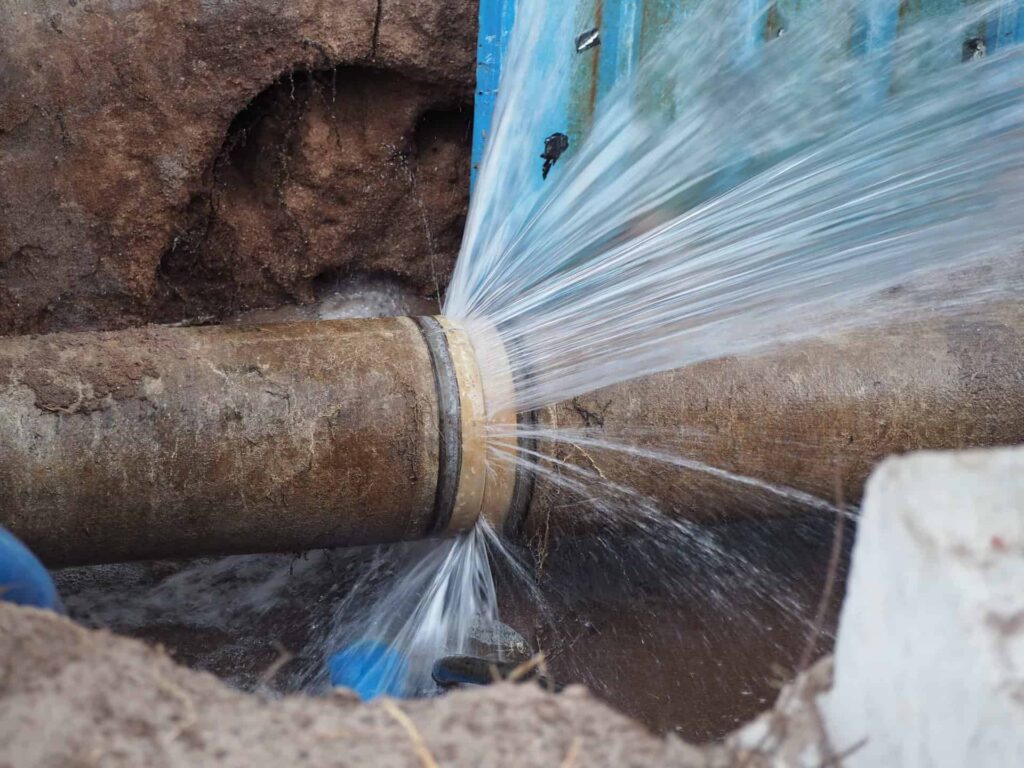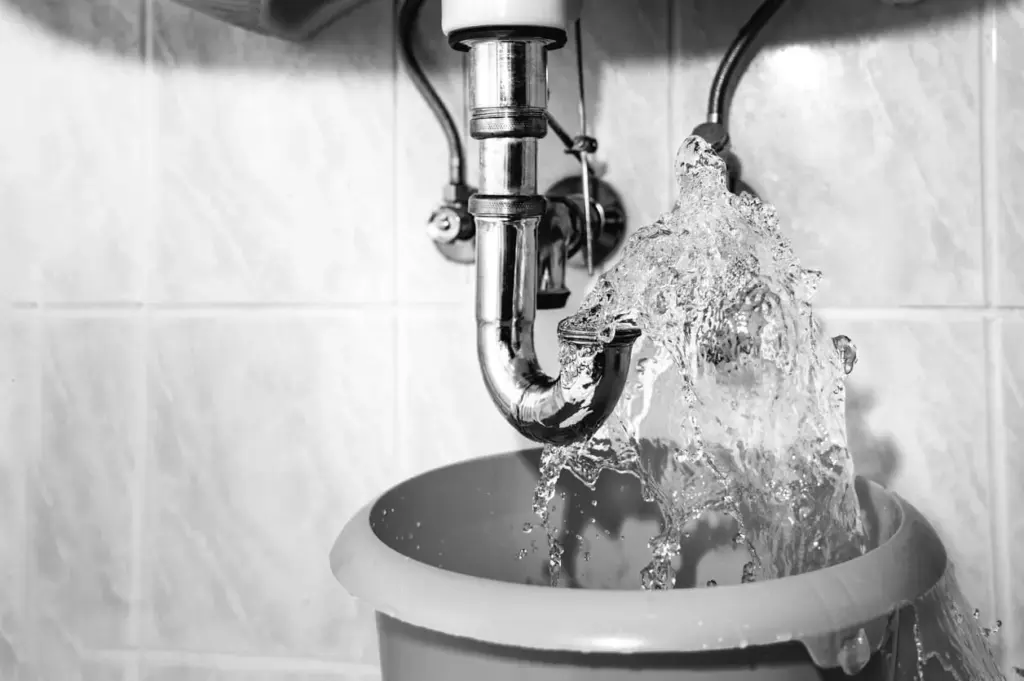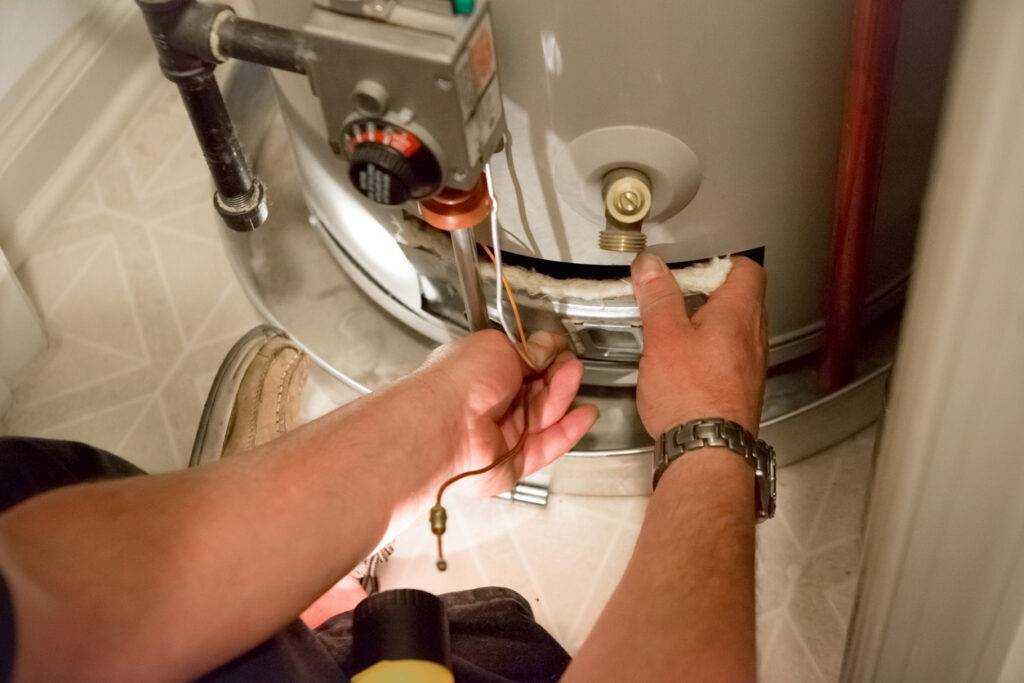
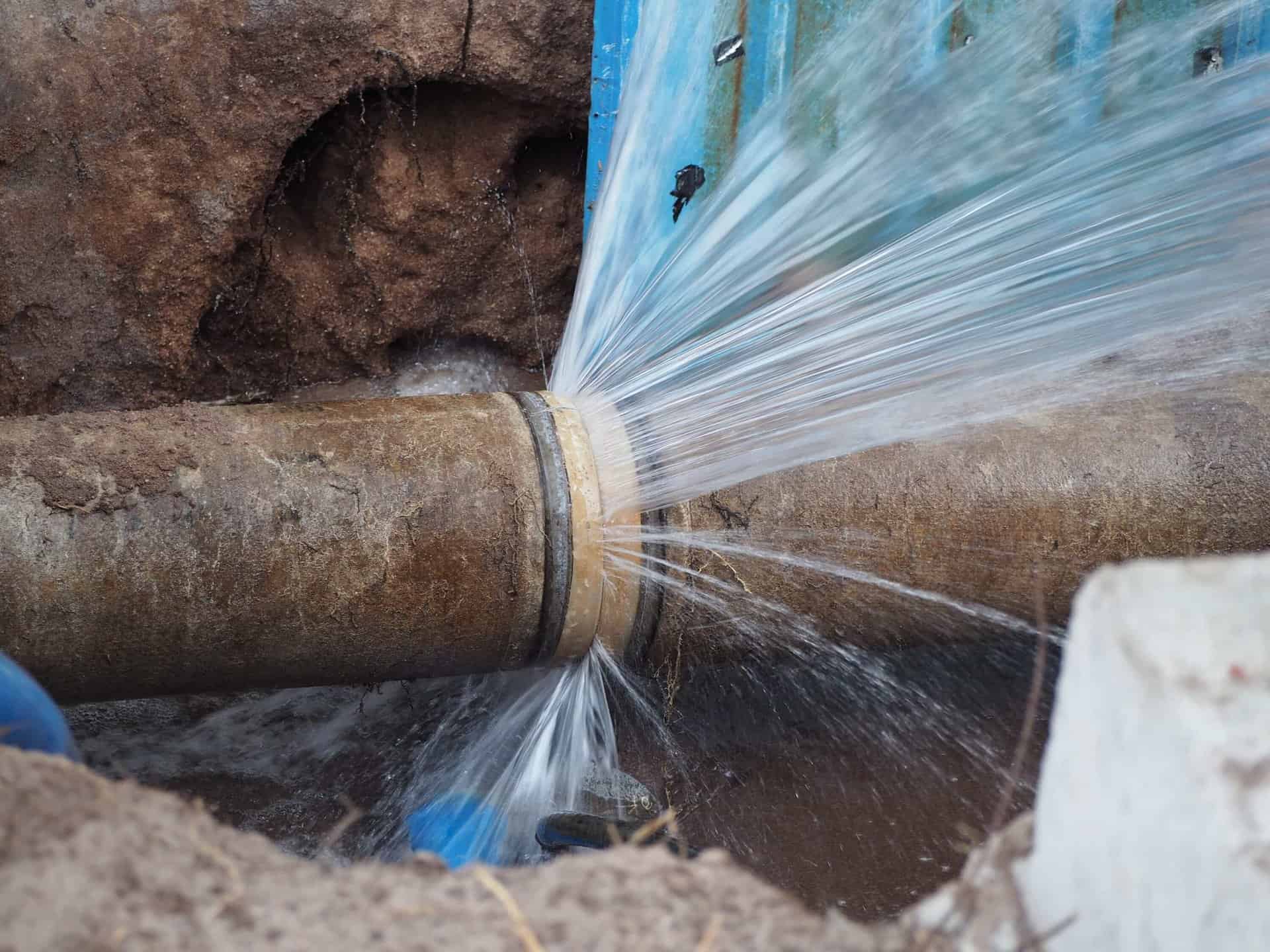
Every winter, the same call comes in across Southeast Michigan. The temperature drops overnight, someone turns on a faucet in the morning, and nothing comes out. A few hours later the pipe thaws, and water starts pouring through a ceiling, a basement wall, or a garage. Frozen and burst pipes are some of the most damaging plumbing problems a home can have, and they are almost always preventable. The good news is that a few simple steps before and during a cold snap protect your home and save you from an expensive emergency.
Here are the five most important ways to keep your pipes from freezing this winter, along with what to do if one freezes anyway.
1. Insulate Pipes in Cold Spaces
The pipes most likely to freeze are the ones running through unheated areas: crawl spaces, garages, attics, exterior walls, and the cold corners of older basements. Many Metro Detroit homes were built with supply lines along outside walls, where a few hours of single digit temperatures can freeze them solid.
Foam pipe sleeves are inexpensive and easy to install on exposed lines. For pipes that are especially vulnerable, heat tape with a built-in thermostat adds another layer of protection. Sealing drafts around rim joists, dryer vents, and pipe penetrations keeps cold air away from your plumbing in the first place.
2. Shut Off and Drain Outdoor Spigots
Outdoor faucets and the short sections of pipe that feed them are the first things to freeze. A garden hose left connected traps water in the spigot, which freezes, expands, and splits the pipe inside the wall. The damage often goes unnoticed until spring, when the hose is turned on and water floods the basement.
Before the first hard freeze, disconnect every hose, close the interior shutoff valve that feeds each outdoor spigot, and open the spigot outside to let it drain. Frost-free sillcocks are a worthwhile upgrade if your home still has older style outdoor faucets.
3. Keep Heat Moving to Your Pipes
On the coldest nights, a little warm air goes a long way. Open cabinet doors under kitchen and bathroom sinks on exterior walls so heat from the room can reach the pipes. Keep the garage door closed if water lines run through it, and never set the thermostat below 55 degrees, even when you are away for the holidays.
If you are leaving home for more than a few days in winter, consider shutting off the main water valve and draining the lines. It is a simple step that eliminates the risk of coming home to a flooded house.
4. Let Faucets Drip During Extreme Cold
Moving water is much harder to freeze than still water. When temperatures fall into the single digits or below zero, let a slow drip run from faucets on exterior walls, both hot and cold. The small amount of water you use is nothing compared to the cost of repairing a burst pipe and the water damage that follows.
Pay attention to which faucets have frozen in the past. Those lines are telling you they need better insulation or rerouting, and a plumber can help you fix the problem permanently.
5. Know Where Your Main Shutoff Valve Is
If a pipe does burst, every minute counts. In most Southeast Michigan homes, the main shutoff valve is in the basement on the wall facing the street, right next to the water meter. Find it now, make sure it turns easily, and show everyone in the household where it is.
A stuck or leaking valve is not something you want to discover during an emergency. If yours does not turn freely, have it replaced before winter.
What to Do If a Pipe Freezes
If you turn on a faucet and only a trickle comes out, the line is likely frozen. Leave the faucet open, shut off the water to that line if you can, and apply gentle heat with a hair dryer, space heater, or warm towels. Never use an open flame or torch, which can damage the pipe and start a fire.
If you cannot find the frozen section, cannot reach it, or the pipe has already split, shut off the main water valve and call a licensed plumber right away. A frozen pipe that is thawed carefully is a small repair. A pipe that bursts as it thaws can put hundreds of gallons of water into your home.
Bringing It All Together
Michigan winters are hard on plumbing, but frozen and burst pipes are not something you have to accept. Insulating exposed lines, draining outdoor spigots, keeping heat moving to your pipes, letting faucets drip in extreme cold, and knowing where your main shutoff valve is will protect your home through the coldest months.
If a pipe freezes or bursts, call Emergency Plumbing & More at (248) 306-8968. We provide same day emergency service and burst pipe repairs throughout Wayne, Oakland, and Macomb counties.