Plumbing problems love to show up at the worst possible moment. A pipe bursts on the coldest night of the year. The basement floor drain backs up during a spring storm. The water heater quits right before a houseful of guests arrives for the holidays. Emergencies are stressful and expensive, but the truth is that most plumbing disasters do not come out of nowhere. They develop slowly through small warning signs that homeowners overlook or never notice. When you understand how to care for your system before trouble starts, you can avoid most emergencies altogether and keep your home running smoothly. This is especially true in Southeast Michigan, where older homes, mature trees, and hard winters all put extra stress on plumbing.
Here are the habits and checks our team at Emergency Plumbing & More recommends to every homeowner who wants to stay ahead of costly surprises.
Pay Attention to Slow Drains
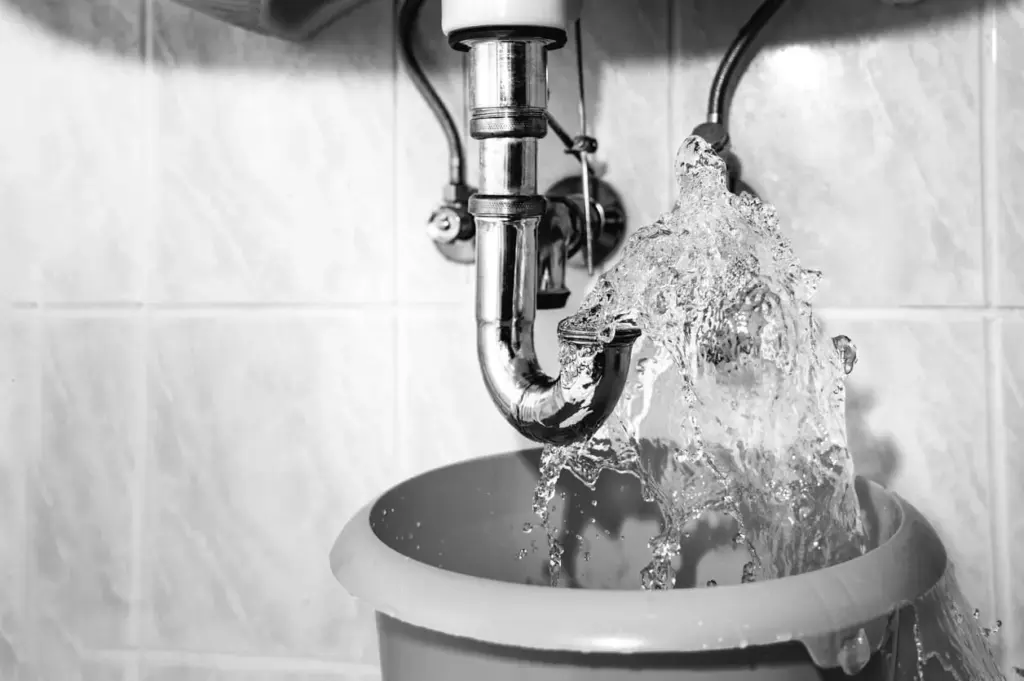
A slow drain is one of the earliest signs that a clog is forming. Grease, hair, soap, and food scraps build up little by little until water barely moves. Many homeowners wait until the drain stops completely, but by then the blockage is harder to clear and more likely to cause a backup or overflow.
If a sink, tub, or shower starts draining slower than usual, take care of it early. Use drain screens, keep grease out of the kitchen sink, and call a plumber if the problem keeps coming back. Repeat clogs often point to buildup or roots deeper in the line that need professional cleaning.
Protect Your Pipes Before Winter Hits
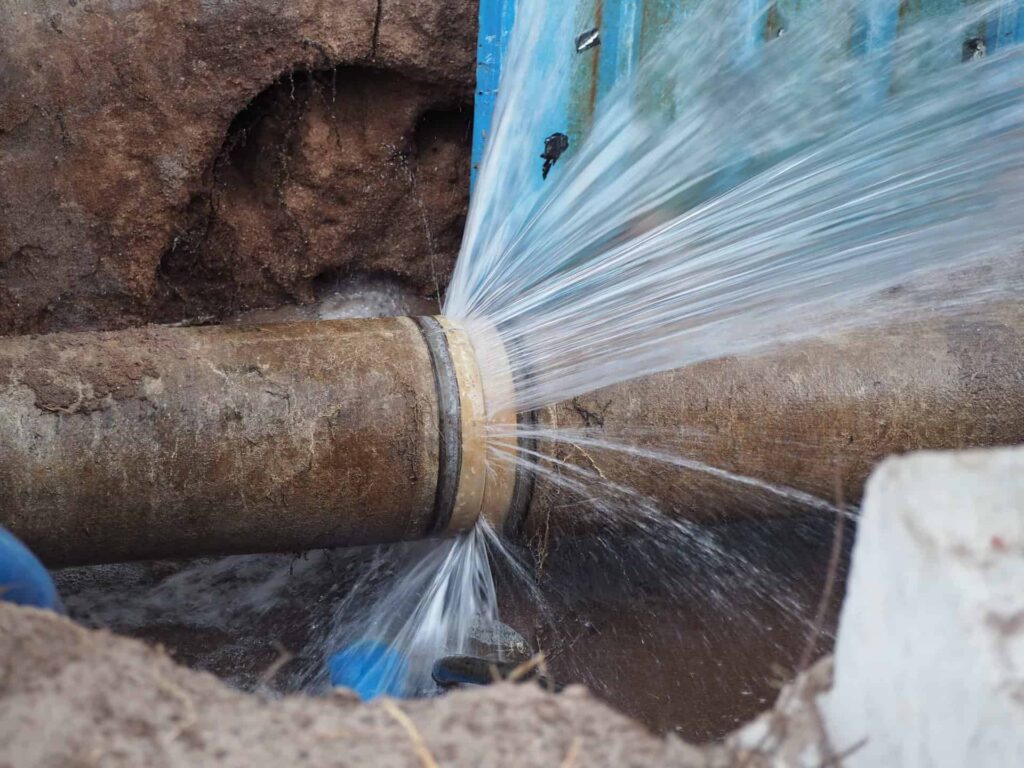
Michigan winters are hard on plumbing. Supply lines in exterior walls, crawl spaces, garages, and unheated basements can freeze when temperatures drop into the single digits. When water freezes it expands, and a split pipe will flood the moment it thaws.
Before the first hard freeze, disconnect garden hoses, shut off and drain outdoor spigots, insulate exposed lines, and seal drafts near pipes. On the coldest nights, keep cabinet doors open on outside walls and let a faucet drip. These small steps prevent a large share of the burst pipe calls we answer every winter.
Inspect Exposed Pipes and Connections
Take a few minutes every couple of months to look under sinks, behind toilets, around your water heater, and along any pipes you can see in the basement. Look for moisture, drips, rust, green or white crust on fittings, and warped cabinet floors. These small signs often show up long before a major leak does.
Supply lines to toilets, faucets, and washing machines are especially important to check. Braided lines can wear out over time, and a failed line can release a lot of water quickly. Replacing old supply lines is inexpensive and prevents serious damage.
Flush the Right Things Only
Toilets are designed to handle human waste and toilet paper. Wipes, even the ones labeled flushable, paper towels, cotton swabs, and feminine products do not break down the way toilet paper does. They catch on rough spots inside the pipe and build into stubborn clogs that can back up into your basement.
Keep a small trash can in every bathroom and make sure everyone in the house knows what should and should not be flushed. This one habit prevents a large share of the toilet and sewer backups we see.
Maintain Your Water Heater
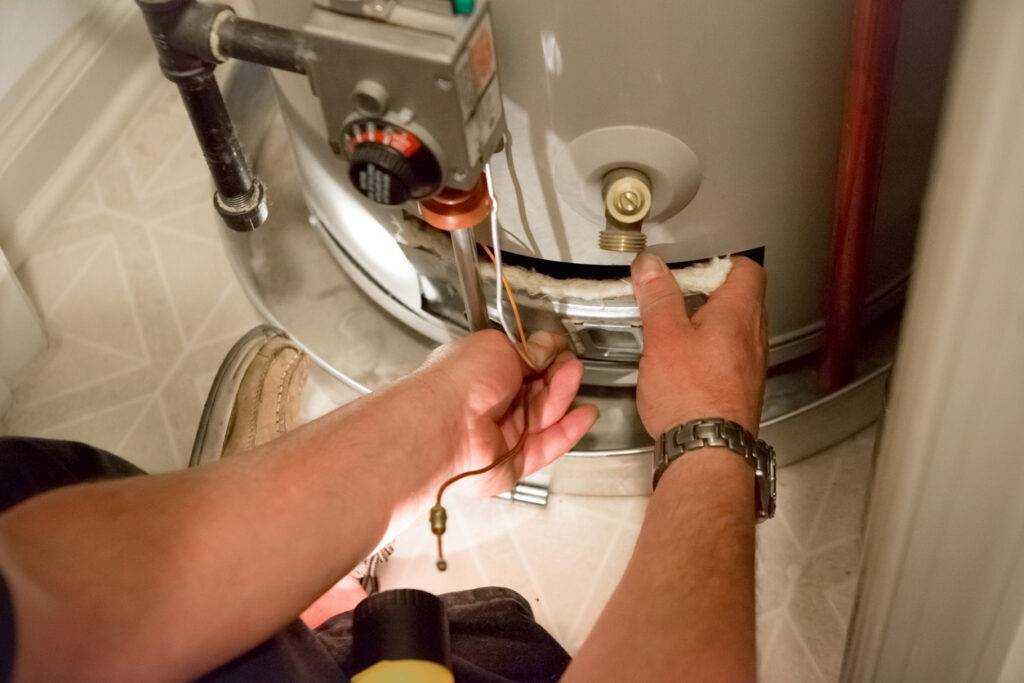
Sediment settles at the bottom of tank water heaters over time. That buildup reduces efficiency, causes popping and rumbling noises, and shortens the life of the heater. Flushing a tank once a year and checking the anode rod keeps it running strong, and tankless units should be descaled on schedule.
It also helps to check the area around your heater for moisture and to know how old your unit is. Most tanks last eight to twelve years, and planning a replacement is far easier than cleaning up after a sudden leak in a finished basement.
Know Where Your Main Shutoff Valve Is
When a pipe bursts or a fixture starts leaking badly, the fastest way to limit damage is to shut off the water to your home. Many homeowners do not know where their main shutoff valve is until water is already on the floor. In most Southeast Michigan homes, it is in the basement on the wall facing the street, right next to the water meter.
Find your main valve now, make sure it turns easily, and show everyone in the household where it is. Individual shutoff valves under sinks and behind toilets should also be checked. If a valve is stuck or leaking, have it replaced before you actually need it.
Be Careful with Chemical Drain Cleaners
Store bought drain cleaners may seem like a quick fix, but the harsh chemicals can eat away at older pipes, especially the cast iron and galvanized lines found in many older Metro Detroit homes. They also rarely clear the full blockage, which means the clog returns and the pipe is left weaker than before.
For a stubborn clog, a plumber can clear the line safely with professional cabling or hydro jetting without damaging your pipes.
Check Your Home for Hidden Leaks
Not every leak is easy to see. Some hide behind walls, under floors, or beneath the slab. Keep an eye on your water bill, listen for running water when fixtures are off, and watch for damp spots, musty smells, or stains that keep coming back.
You can also check your water meter when no water is being used. If the dial is moving, water is going somewhere it should not. Professional leak detection with thermal imaging and acoustic equipment can find the source without tearing your home apart.
Keep Tree Roots in Mind
Mature trees are a big part of what makes neighborhoods from Royal Oak to Dearborn so beautiful, but their roots are always searching for water. Older clay and cast iron sewer lines have joints and cracks that roots can slip into, where they grow into thick masses that block the line.
If you have large trees near your sewer line, a camera inspection every few years can catch root intrusion early, before it turns into a backup or a full sewer line replacement.
Schedule Regular Professional Inspections
Just like your car, your plumbing benefits from a professional checkup. A licensed plumber can spot early signs of corrosion, leaks, pressure problems, and sewer issues that are easy for homeowners to miss. Catching them early keeps repairs small and affordable.
Many homeowners schedule an inspection when they buy a home, before a remodel, before winter, or simply once every year or two for peace of mind.
Bringing It All Together
Most plumbing emergencies are preventable. By paying attention to slow drains, small leaks, frozen pipe risks, and what goes down your toilets and sinks, you can stop minor problems before they turn into costly repairs.
A few simple habits, like knowing where your shutoff valve is, winterizing exposed pipes, keeping up with water heater maintenance, avoiding harsh drain chemicals, and watching for hidden leaks, go a long way toward protecting your home. Regular inspections add another layer of protection by catching issues you cannot see.
If you notice any warning signs or want a professional inspection, call Emergency Plumbing & More at (248) 306-8968. We serve homes and businesses throughout Wayne, Oakland, and Macomb counties with honest pricing and same day emergency service.